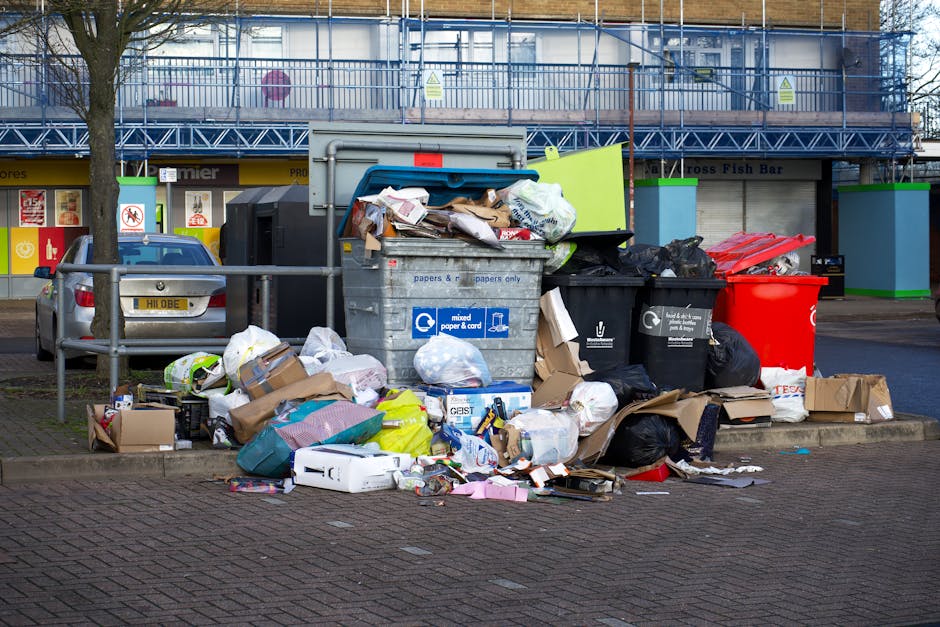
Avenue Road flat rubbish clearance guide Swiss Cottage NW3

If you live on Avenue Road and you are staring at a hallway full of broken furniture, bin-bag chaos, or the remains of a flat move, you are not alone. Flat clearance in Swiss Cottage NW3 can feel straightforward at first, then suddenly awkward: narrow entrances, shared stairwells, parking pressure, neighbours who are very awake, and the usual question of what to do with bulky rubbish. This Avenue Road flat rubbish clearance guide Swiss Cottage NW3 is here to make the job clearer, calmer, and much more manageable.
In practice, the best clearance plan is rarely the fanciest one. It is the one that fits the building, the waste type, and the time you actually have. That might mean a quick man and van collection, a wait and load skip hire setup, or a more traditional rubbish removal service. The point is to choose well, not just quickly.
This guide covers the practical steps, common problems, local considerations, and the sort of decisions that save time and hassle. If you are clearing a rented flat, dealing with a family property, or preparing for a refurb, you will find a route through it here.
Why Avenue Road flat rubbish clearance guide Swiss Cottage NW3 Matters
Avenue Road sits in an area where access, timing, and discretion matter more than most people expect. Flats often share staircases, landings, lift access, or courtyard space, so even a simple clearance can become disruptive if it is not planned properly. A mattress left in the wrong place or a sofa balanced near the door can quickly become everybody's problem. That is rarely what anyone wants.
It also matters because waste types are not all treated the same way. A bag of old clothes is very different from plasterboard, a fridge, or confidential paperwork. If you lump everything together, you can end up paying more, creating delays, or creating compliance headaches that are completely avoidable. To be fair, most people only learn this the hard way once.
For Avenue Road residents, good clearance is about three things: minimising disruption, keeping the building tidy, and using the right method for the amount of waste. That is why many households compare domestic skip hire with direct collection options such as house clearance or a targeted garage and loft clearance. Different jobs, different fit. Simple enough, but not always obvious in the moment.
How Avenue Road flat rubbish clearance guide Swiss Cottage NW3 Works
The basic process is usually more practical than people expect. First, you sort what is actually going. Then you decide whether you need a vehicle-led collection, a skip, or a mixed approach. After that, access is arranged, the waste is loaded, and the load is taken to the appropriate facility for sorting and processing.
In a flat, the access question is often the real decider. If the waste can be carried down safely in one visit, a man and van style removal can be ideal. If you are doing a more involved clear-out with mixed household waste, a skip may be better, especially if the building has space and any permit or placement issues have been checked in advance. If parking is tight, you may find skip permits or wait and load skip hire more realistic than leaving a skip outside for days.
Then there is sorting. Good crews separate reusable or recyclable materials where possible, and they handle special items with care. You should always flag items like fridges, sofas with special disposal needs, and anything that could fall under hazardous waste disposal. It sounds obvious, but in real flats people often discover these things only when they are already standing in the hallway with the lift booked.
If you want a quick sense-check on what can go where, the page on what can go in a skip is useful before you start moving things around. That little bit of prep often prevents a lot of faff later.
Key Benefits and Practical Advantages
The biggest benefit is control. Once you know the right clearance method, the whole job feels less messy. You can plan the lift, the parking, the timing, and the loading order instead of improvising at the front door. That matters more than people think, especially in flats where one wrong move can block a corridor or upset the neighbours.
Another advantage is safety. Heavy furniture, sharp broken items, and awkward bags can be genuinely hazardous when they are dragged down stairs or across tight landings. A proper clearance setup reduces lifting injuries and minimises the chance of damage to walls, banisters, or door frames. The scuff on the stairwell that nobody admits to? Yes, that one.
There is also a cost angle. A well-planned removal usually avoids extra trips, wasted labour, and over-ordering a container that is too large. The best place to start is often a look at skip sizes and prices so you can match the waste volume to the right option. If you only have a relatively small amount, a compact collection can make more sense than paying for unused space.
Finally, there is peace of mind. Flat clearances can involve neighbours, building managers, lease rules, and timing restrictions. A tidy plan reduces the stress of having to "just sort it out" on the day. And honestly, having one less thing to juggle on moving day feels brilliant.
Who This Is For and When It Makes Sense
This guide is for anyone dealing with rubbish or bulky items in a flat on or around Avenue Road. That includes tenants at the end of a tenancy, landlords preparing a property for re-let, homeowners doing a refresh, and families handling a larger declutter after years of accumulation. It is also useful for anyone who has just inherited the delightful task of clearing someone else's storage habits. There is always a cupboard like that, isn't there?
It makes sense to plan a formal clearance when the waste is too much for normal bins, too bulky for a standard car, or too mixed to handle in a few council bags. It also makes sense when timing matters. If an inspection, checkout, sale, or decorator is arriving soon, a fast and reliable service can prevent everything from spiralling.
For office moves, mixed-use flats, or landlord work, it can also be worth looking at office clearance or broader site clearance support if the job extends beyond a single domestic room. That is a small detail, but it helps avoid choosing the wrong service for a bigger-than-expected task.
And if you are working with builders, decorators, or a refurbishment schedule, you may want to compare builders waste removal with builders skip hire. The right choice depends on how fast the waste is generated and how much space you have to spare.
Step-by-Step Guidance
1) Walk through the flat properly
Before anything is moved, do a room-by-room check. Living room, bedroom, kitchen, hallway, storage cupboards, and any loft or balcony space. Make a quick pile for furniture, a pile for general rubbish, a pile for recyclables, and a separate area for anything uncertain. That last pile is important because mixed waste can change how the job is handled.
2) Decide what needs specialist handling
Old fridges, freezers, mattresses, and sofas often need separate attention. Some items can be placed into standard clearance loads, while others are better dealt with through dedicated services such as fridge and appliance removal or mattress and sofa disposal. If there is paperwork, medical waste, or anything that could expose personal information, consider confidential shredding rather than just putting it in a bag and hoping for the best.
3) Check access and timing
Measure door widths, stair turns, lift size, and any awkward corners. If you have ever tried to carry a wardrobe around a tight landing, you know why this matters. Also check whether there are building rules about loading times or service vehicle access. A good plan respects the building as much as the rubbish.
4) Choose the collection method
For smaller clearances, a van-based service can be quicker and less disruptive. For larger loads, a skip or grab-type solution may be more efficient. If space outside is limited, a grab hire services option can be a useful alternative, while grab lorry hire can work well where the waste is accessible and you want to avoid prolonged street occupation.
5) Book and prepare the load
Once you have chosen the method, book a suitable slot and have items ready to go. Break down furniture if possible, remove loose contents from drawers, and keep pathways clear. If you are using a skip, it is worth reading the guidance on what can go in a skip before you begin. That saves guesswork. And guesswork is expensive, usually.
6) Load safely and finish well
Place heavier items first, distribute weight evenly, and keep sharp edges controlled. Once the waste is gone, do a final sweep for screws, glass, cords, and dust. A clean finish is not just cosmetic; it shows you have actually finished the job properly.
Expert Tips for Better Results
One of the best tips is to reduce the load before collection day. If you can flatten cardboard, bag soft rubbish separately, and dismantle furniture in advance, you will save both time and money. A small amount of prep can make a big difference. You can feel it, actually, when the loading starts and the crew is not tripping over a half-broken chair leg every two minutes.
Another tip is to choose the right service for the building, not just the waste volume. In some Avenue Road flats, a skip is easy enough. In others, access is simply too tight or too sensitive. That is where same day skip hire or same-day solutions can help if you are racing a deadline, while enclosed and lockable skip hire can be sensible if the waste needs extra protection.
Also, think in zones. Keep reusable items apart from disposal items until the very end. If a chair, lamp, or table could be donated, reused, or sold, remove it from the rubbish pile early. Once everything is mixed, it becomes far harder to make sensible choices.
One more thing: ask for clear pricing and a clear scope before the work starts. The page on pricing and quotes is a good reminder that transparency matters. Nobody enjoys a surprise charge after a full day of lifting bags. Nobody.
Common Mistakes to Avoid
The most common mistake is underestimating volume. Flats often store more than they appear to. That spare room closet, the box under the bed, the old hallway cabinet, and a couple of hidden bags in the kitchen can turn a "small" job into a decent-sized clearance. If you are unsure, go slightly larger in your planning than your first instinct suggests.
Another mistake is forgetting about restricted items. Fridges, certain electricals, and anything classed as hazardous must be handled correctly. If you mix them into a general pile, you can cause delays or create extra handling costs. Better to separate now than argue later.
People also forget about building access. A great clearance plan can unravel quickly if the lift is booked by someone else, the front gate is locked, or the truck has nowhere to pause. Check these things early, even if it feels a bit fussy. Fussy is fine. Fussy saves time.
Finally, do not assume all waste should be handled the same way. If you are clearing a mixed property, compare dedicated support such as house clearance with lighter-touch options like man and van or a direct rubbish removal service. One size rarely fits every flat, truth be told.
Tools, Resources and Recommendations
You do not need a warehouse of equipment to handle a flat clearance well. A few sturdy bags, gloves, packing tape, a marker pen, and a basic checklist can be enough for most small jobs. For heavier items, furniture sliders, a trolley, or a dolly can be useful if you are moving things internally before collection.
For planning purposes, it helps to have a simple written list of item types and estimated quantities. That list makes quotes more accurate and helps you spot whether you are dealing with general household rubbish, renovation waste, or awkward mixed materials. If the job includes building debris, it is worth reviewing construction waste disposal or construction waste clearance rather than assuming domestic removal is enough.
For larger or heavier clearances, the following options are often worth comparing:
- Van-based collection for quick flat clearances and mixed bulky items.
- Skip hire for structured loading where outside access is workable.
- Wait and load where street space is limited or you need a fast turnaround.
- Grab hire for accessible waste that can be removed efficiently from ground level.
- Specialist disposal for appliances, mattresses, confidential waste, or hazardous materials.
If you want a broader view of recycling and responsible processing, the page on recycling and sustainability is a useful companion read. It helps frame the whole job in a more responsible way, which is becoming a bigger part of everyday waste decisions in London.
Law, Compliance, Standards, or Best Practice
For flat rubbish clearance in Swiss Cottage NW3, the main compliance concerns are usually simple but important: use a lawful waste carrier, keep waste separated where needed, and avoid leaving materials in ways that block pavements, entrances, or emergency access. You do not need to become an expert in waste law to make a good decision, but you do want to use a provider that treats disposal properly.
There are also practical standards of conduct that matter in shared buildings. That includes protecting common areas, moving items carefully, controlling noise, and respecting time windows. In busy London properties, courtesy is not optional. It is part of the service, really.
For items with sensitive data, proper destruction is the sensible route. For electrical items and appliances, separate treatment may be needed. For anything that might be hazardous, get advice before moving it into a general load. If in doubt, keep it aside and ask. That is far better than pretending the problem does not exist.
Best practice also includes clear communication with your building manager or landlord if access, parking, or loading space will be affected. A quick heads-up can prevent complaints and keep the whole day on track. You may not get applause for that, but you will probably avoid a headache.
Options, Methods, or Comparison Table
Choosing the right method comes down to waste type, access, speed, and how much disturbance you can tolerate. Here is a simple comparison to make that decision easier.
| Method | Best for | Advantages | Limitations |
|---|---|---|---|
| Man and van | Small to medium flat clearances | Flexible, quick, minimal street footprint | Less ideal for larger ongoing loads |
| Skip hire | Mixed loads and staged clearances | Good for self-loading and longer projects | Space and permit considerations |
| Wait and load | Tight access or no parking | No long-term skip placement, fast turnaround | Needs the waste ready quickly |
| Grab hire | Accessible bulky waste at ground level | Efficient for large, loose materials | Not always suitable for internal flat-only loads |
| Specialist item removal | Appliances, mattresses, confidential or hazardous waste | Handled correctly and safely | May need separate booking |
As a rule of thumb, if the job is mostly furniture and bagged rubbish from inside a flat, van-based removal is often easiest. If it includes refurbishment waste or a bigger clear-out over several days, a skip or a hybrid approach may suit better. There is no prize for overcomplicating it.
Case Study or Real-World Example
A typical Avenue Road scenario looks like this: a two-bedroom flat is being cleared after a tenancy ends, and the occupants have left behind a mix of bagged rubbish, a wardrobe, two mattresses, an old fridge, and a few boxes of kitchen clutter. The hallway is narrow, the lift is shared, and the building manager wants the common areas kept clear.
In that situation, a sensible plan would be to separate the fridge for appliance removal, set the mattresses aside for specialist disposal, and use a van-based collection for the furniture and general waste. If the flat also has a loft or storage cupboard with old household items, adding garage and loft clearance support can make the whole job smoother. If there is paperwork from an old home office, confidential shredding should be handled separately.
What tends to surprise people in these jobs is not the rubbish itself, but the time it takes to move safely through the building. One unplanned pause at the lift can delay everyone. One bulky item that does not fit the landing can slow the whole crew. So the best outcome usually comes from calm sorting before the team arrives. It sounds basic, yet it saves the day.
Practical Checklist
Use this before collection day so the job runs more smoothly.
- Sort waste into furniture, general rubbish, recyclables, and special items.
- Check for fridges, mattresses, sofas, and electronics that may need separate handling.
- Measure access routes, including doors, stair turns, and lift size.
- Confirm parking or loading arrangements for the vehicle.
- Ask about any building time restrictions or house rules.
- Flatten cardboard and dismantle easy furniture where possible.
- Keep sharp or fragile waste contained safely.
- Set aside confidential papers for shredding.
- Review the likely volume against skip sizes and prices if you are still deciding between methods.
- Choose a service that suits the property, not just the waste pile.
If you can tick those off, you are already ahead of most last-minute clearances. And yes, the job will probably feel less stressful once the path is clear.
Get a free quote today and see how much you can save.
Conclusion
Avenue Road flat rubbish clearance does not need to turn into a major project. With the right method, a clear plan, and a bit of sorting before collection day, you can handle even awkward flats without creating chaos in the stairwell or wasting money on the wrong service. The key is to match the removal method to the building and the waste, then keep the process simple.
If you are clearing one room, an entire flat, or a mixture of household and bulky items, the best next step is to decide what you have, what needs special handling, and how much access you really have. That small bit of clarity changes everything. It really does.
For a calm finish and less hassle on the day, use the guide above, choose the right service, and take the pressure off yourself where you can. A tidy flat, a clear hallway, and no surprise mess at the end of the day - that is the goal, and it is very achievable.
Frequently Asked Questions
What is the best way to clear rubbish from a flat on Avenue Road?
The best method depends on the amount and type of waste, plus access. For smaller loads, a van-based collection may be easiest. For bigger or staged clearances, skip hire or wait and load may be more practical.
Do I need a skip permit for flat rubbish clearance in Swiss Cottage NW3?
You may need one if a skip is placed on a public road or pavement area. If the skip is fully on private property, a permit may not be required, but access and building rules still matter.
Is man and van better than skip hire for a flat clearance?
Often, yes, if you have a modest amount of bulky waste and limited access. Skip hire is usually better if you want to load waste gradually or you have a bigger clearance job.
What items cannot usually go in a normal rubbish load?
Hazardous materials, certain chemicals, some electrical items, and items needing specialist treatment should not be mixed into a standard load. Always check before booking if you are unsure.
Can I include old appliances and a fridge?
Yes, but fridges and some appliances usually need separate handling. Dedicated fridge and appliance removal is often the safer route.
What if I only have a few bulky items?
If it is just a sofa, mattress, and a few bags, a smaller removal service is usually enough. You do not need to overbook a large solution for a small job.
How do I avoid disturbing neighbours during clearance?
Choose the right time, keep corridors clear, move items efficiently, and avoid blocking shared areas. A quiet, tidy, well-paced job is much less likely to cause issues.
What is the difference between house clearance and rubbish removal?
House clearance usually refers to clearing a larger part or all of a property, while rubbish removal often means taking away selected waste items or smaller mixed loads. There is overlap, but the scope is different.
Can I use same day collection if I am short on time?
Sometimes, yes. If you are on a deadline, same day skip hire or a fast collection may help, subject to availability and access.
How do I know what size skip I need?
Start by listing the items, then compare the volume against the guidance on skip sizes and prices. If in doubt, ask for help rather than guessing.
Is it worth separating recyclable waste first?
Yes. It can reduce disposal friction and make the job cleaner overall. It also helps if you are trying to keep costs and waste volumes under control.
What should I do with confidential paperwork from a flat?
Use a proper destruction route such as confidential shredding. It is a small extra step that protects privacy and avoids unnecessary risk.
Where can I check more about the company before booking?
You can read more about the business on the about us page, and if you are ready to arrange a collection, the book online page is a useful next stop.