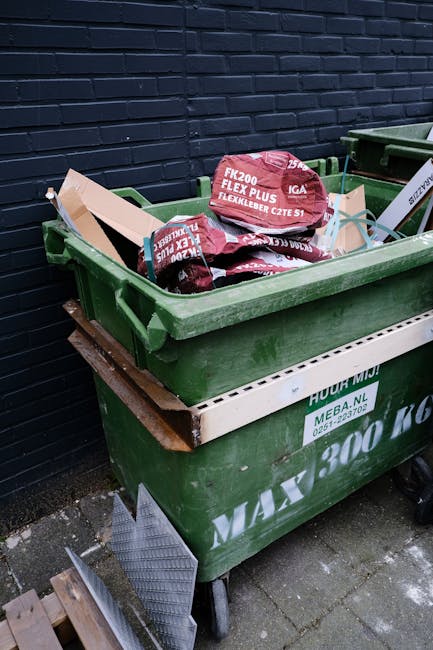
O2 Centre bulky rubbish collection guide Swiss Cottage
If you are trying to shift a sofa, a broken wardrobe, a mattress, or a pile of mixed household clutter near the O2 Centre, you already know the headache: it is bulky, awkward, and never seems to fit neatly into normal bin day. This O2 Centre bulky rubbish collection guide Swiss Cottage is here to make the process feel much less messy. We will walk through how bulky waste collection works in practice, what your realistic options are, what to check before you book, and where people often go wrong.
To be fair, bulky rubbish is one of those jobs that looks simple until you are standing in a hallway with a heavy chest of drawers and nowhere sensible to put it. The good news? With the right plan, you can clear it efficiently, avoid delays, and choose a method that suits your property, access, and budget.
Whether you are clearing out a flat near Finchley Road, dealing with a tired office fit-out, or just trying to reclaim space at home, this guide will help you choose the cleaner, faster route.
Table of Contents
- Why O2 Centre bulky rubbish collection guide Swiss Cottage Matters
- How O2 Centre bulky rubbish collection guide Swiss Cottage Works
- Key Benefits and Practical Advantages
- Who This Is For and When It Makes Sense
- Step-by-Step Guidance
- Expert Tips for Better Results
- Common Mistakes to Avoid
- Tools, Resources and Recommendations
- Law, Compliance, Standards, or Best Practice
- Options, Methods, or Comparison Table
- Case Study or Real-World Example
- Practical Checklist
- Conclusion
- Frequently Asked Questions
Why O2 Centre bulky rubbish collection guide Swiss Cottage Matters
Bulky rubbish is not just "extra waste". It tends to be heavy, inconvenient, and time-sensitive. In a busy area like Swiss Cottage, that matters even more. Streets can be tight, parking can be limited, and access from a flat or lower-ground property can make a straightforward job feel like a mini logistics operation. If you are near the O2 Centre, you may also be balancing shopping trips, residential traffic, loading restrictions, or neighbours who quite reasonably do not want a wardrobe blocking the path for half a day.
This guide matters because the wrong approach costs you time and energy. A sofa left in a hallway too long becomes a trip hazard. A mattress left outside before collection can attract attention you do not want. Mixed rubbish can also become more expensive to sort later. A bit of planning saves all that faff.
There is another reason too: bulky waste often contains items that should be handled separately, such as fridges, electricals, or anything potentially hazardous. When people lump everything together, they risk non-compliance, rejected collection, or avoidable extra charges. Nobody wants that surprise on a Tuesday afternoon.
Expert summary: For bulky rubbish around the O2 Centre and Swiss Cottage, the best results usually come from matching the collection method to the item type, access conditions, and timing. Simple on paper, but it makes a huge difference in real life.
If you want to compare waste removal options more broadly, it can help to understand how rubbish removal, skip hire, and same-day collections differ. The right choice depends less on the item itself and more on how quickly and cleanly you need it gone.
How O2 Centre bulky rubbish collection guide Swiss Cottage Works
Most bulky rubbish collections follow a fairly similar pattern. You identify the items, decide what should be removed, check access, and book a collection method that suits the volume and type of waste. The actual removal may be handled by a two-person team, a van service, a skip, or a grab-based collection depending on what is available and practical.
In everyday terms, here is what usually happens:
- You list the bulky items that need removing.
- You separate reusable, recyclable, and general waste where possible.
- You check whether anything needs special handling, such as appliances or sharp materials.
- You measure access points like stairwells, lifts, parking space, and doorway width.
- You choose the collection method that matches your schedule and load size.
- You prepare the items so they are safe and easy to collect.
- The waste is loaded, transported, and disposed of or recycled through the correct channel.
That sounds neat, and sometimes it is. But real life can be a bit scruffier. A wardrobe that looked manageable in the living room can suddenly feel enormous on a narrow stairwell. A mattress may need to be protected from rain. A fridge may need to be unplugged and defrosted in advance. These are small things, but they affect the whole job.
If you are dealing with a flat clearance, a local house clearance or garage and loft clearance service may be more efficient than arranging multiple smaller removals. If the job is commercial, an office clearance approach may save time and keep the site safer.
Key Benefits and Practical Advantages
Choosing the right bulky rubbish collection method near Swiss Cottage can make the whole process feel surprisingly light. Not physically light, obviously. But mentally? Absolutely.
- Saves space quickly: Bulky items can dominate a room. Removing one sofa can make a flat feel bigger straight away.
- Reduces stress: You avoid the back-and-forth of lifting, transporting, and trying to guess where things should go.
- Improves safety: Heavy items and awkward lifts can cause injury if handled badly.
- Supports recycling: Sorting items properly gives recyclable materials a better chance of being recovered.
- Fits local access realities: In London, a practical collection plan matters because parking and loading are rarely generous.
- Works around busy schedules: A sensible collection can be arranged around work, tenants, or building access windows.
One underrated benefit is peace of mind. Truth be told, clutter has a way of hanging over you. Once the bulky stuff is gone, the rest of the space becomes easier to clean, sort, or sell. You notice the light in the room again. Sounds small, but it matters.
For mixed loads, it can also help to compare a van-based removal with a dedicated disposal service. If you are trying to clear a few big pieces plus assorted bags, man and van collections are often flexible. For larger or messier volumes, a more structured route such as builders waste removal may be better suited; if you want the nearest exact service for your project, the site also offers builders waste removal as a practical option for heavier trade-type loads.
Who This Is For and When It Makes Sense
This kind of collection is useful for a surprisingly wide group of people. The obvious one is a homeowner with a broken sofa. But the real world is broader than that.
You may need bulky rubbish collection if you are:
- moving out of a flat near Swiss Cottage Station
- clearing a property after renovation
- replacing furniture before a new tenant moves in
- getting rid of old office desks, chairs, or filing units
- emptying a garage, loft, or storage room
- disposing of large garden items after landscaping
- dealing with a one-off overflow of mixed rubbish after a big tidy-up
It makes sense when the items are too large for normal bins, too awkward for you to move alone, or too many for a single car trip. It also makes sense if you are working to a deadline. A move-out day, end-of-tenancy inspection, or office handover leaves little room for improvisation. And let's face it, improvisation with a mattress is never fun.
If you are comparing wider waste handling services, a domestic skip hire option can work well for ongoing home projects, while commercial skip hire may suit longer business jobs. For compact, controlled waste disposal in difficult access areas, wait and load skip hire can be worth considering.
Step-by-Step Guidance
If you want a smooth bulky waste collection near the O2 Centre, start with the basics and work outward. A lot of problems happen because people skip the boring bit. Then, of course, the boring bit comes back with a vengeance.
1. Identify what needs to go
Make a clear list of items. Include furniture, white goods, mattresses, appliances, and any mixed junk that has built up around them. If something is damaged beyond repair, write that down too. It helps you avoid forgetting half the job.
2. Separate special items early
Fridges, freezers, TVs, computers, batteries, and anything that may be classed as hazardous should not just be tossed in with general rubbish. A service such as fridge and appliance removal can be much more suitable for those items. If you have chemicals, paints, asbestos-related concerns, or other risk items, look carefully at hazardous waste disposal before booking anything else.
3. Measure the access route
Check door widths, stair landings, lift size, and whether parking is realistically available. Small detail? Not really. It is the difference between a 20-minute collection and a long, awkward carry through a narrow hallway with everyone pretending they are not in the way.
4. Decide whether you need one-off or ongoing removal
A single sofa is a different job from clearing an entire flat. One-time removals often suit same-day skip hire or direct collection. Larger projects may need more structured waste handling, such as site clearance or construction waste disposal.
5. Book the right collection method
Choose based on volume, speed, access, and item type. A few bulky items may suit a van collection. A bigger home clear-out may suit a skip. For tight driveways or short loading windows, wait and load skip hire can be especially practical. If space is limited but you still want container-style collection, enclosed and lockable skip hire may be a better fit.
6. Prepare the items
Empty drawers, remove loose contents, tape sharp edges, and separate reusable pieces where possible. If the item can be dismantled safely, do it. Not everything should be taken apart, though. If a wardrobe panel has already started wobbling like a pub table on a Friday night, maybe leave it to the professionals.
7. Keep the route clear on collection day
Make sure corridors and entrances are free of obstacles. If you live in a shared building, warn neighbours or managing agents if the removal might affect lift use or access.
8. Check what happens next
Ask how the waste will be handled. Reuse and recycling should be part of the plan where possible. Responsible disposal is not just a nice extra; it is the sensible finish to the job.
Expert Tips for Better Results
After plenty of bulky removals, a few patterns become obvious. The people who get the smoothest result usually do the smallest bits of preparation well.
- Photograph the items before booking: It makes it easier to explain the load and reduces confusion about size or condition.
- Group items by room: A rough sort by bedroom, lounge, kitchen, or storage area helps the collection team work faster.
- Keep useful items aside early: It is annoying to lose a lamp or side table because it was buried under clutter.
- Think about weight, not just volume: A pile of old books can be heavier than it looks. So can broken tiles or wet timber.
- Watch for mixed materials: Furniture with metal frames, glass, and upholstery may need different handling than a plain wooden item.
- Allow breathing room on the day: Rushing creates mistakes. A little slack in the schedule helps more than most people expect.
Here is a practical one: if you are clearing a flat after a tenancy, start with the largest items and work down to bags and loose bits. You will quickly see what is actually left, rather than spending an hour chasing the small stuff first.
If you are still unsure which route suits you, browsing the site's general skip hire information can help you compare the broader picture before you book. For straightforward pricing context, the skip sizes and prices page is especially useful when you want to balance capacity against budget.
Common Mistakes to Avoid
Most bulky waste headaches come from a handful of avoidable mistakes. Nothing dramatic. Just the sort of oversights that make a simple job much more fiddly than it needed to be.
- Leaving the booking too late: If you need access on a specific day, do not assume availability will magically appear.
- Underestimating volume: A single room can generate a lot more waste than it looks like at first glance.
- Mixing prohibited items in with normal waste: This can lead to delays or extra handling requirements.
- Ignoring access constraints: If parking is tight or stairs are narrow, say so upfront.
- Forgetting building rules: Some blocks have restrictions on loading times, lift use, or communal areas.
- Not checking item condition: A damp mattress, broken freezer, or contaminated item may need a different route.
One small thing people miss is weather. A dry, bright morning can make the job easier, while a wet afternoon turns cardboard, fabric, and soft furnishings into a grim little battle. You do not need perfect conditions, just enough awareness to plan sensibly.
Another mistake? Thinking every collection is the same. A mattress and sofa disposal job is not the same as office furniture removal or a builder's load. It sounds obvious, but the distinction matters when it comes to speed and disposal route.
Tools, Resources and Recommendations
You do not need fancy equipment to manage bulky rubbish well, but a few simple tools make the process much easier. Honestly, half of the job is making things easy to move.
- Heavy-duty gloves: Useful for sharp edges, dust, and rough surfaces.
- Tape and labels: Handy for marking items, sealing drawers, or grouping parts together.
- Dolly or sack truck: Great for moving heavier items safely where access allows.
- Protective sheets or blankets: Helpful for safeguarding floors and door frames.
- Torches or phone light: A simple aid for lofts, cupboards, and dim storage corners.
- Measuring tape: Essential for checking whether large items will fit through access points.
On the service side, useful pages to review include what can go in a skip, skip permits, and pricing and quotes. If your waste is tied to a refurbishment or trade project, the following can also help you plan: builders skip hire, construction waste clearance, and grab hire services.
For households trying to reduce waste at source, it also helps to think about recycling and disposal habits more broadly. The recycling and sustainability page offers a good way to frame the whole job as more than just "getting rid of stuff".
Law, Compliance, Standards, or Best Practice
For bulky rubbish in London, compliance is mostly about using the correct waste route and avoiding unsafe or careless disposal. You do not need to memorise legal detail to do the job properly, but you do need to stay sensible. If waste is collected by a third party, it should be handled by a responsible operator who can manage transport and disposal appropriately.
Best practice usually means:
- keeping waste separated where practical
- avoiding contaminated or hazardous mixing
- making access safe for workers and residents
- checking whether a permit is needed for any container placed on public land
- using a service that can explain where your waste is likely to go next
If a skip is involved and it cannot be placed wholly on private land, a permit may be relevant. That is why pages such as skip hire permits and skip permits are worth reviewing before you book. Rules and practical requirements can vary by location, so it is wise to confirm details rather than guess.
Health and safety also matters. Lifting heavy furniture, handling broken glass, or moving awkward appliances can cause injury if rushed. A careful collection plan, proper lifting technique, and a clear path are not overkill; they are the basics. If you want a clearer view of the company's safety approach, the health and safety policy and insurance and safety pages provide useful context.
Options, Methods, or Comparison Table
Here is a straightforward comparison to help you decide how to handle bulky rubbish near the O2 Centre. The best choice depends on access, volume, and how quickly you need the space cleared.
| Method | Best for | Strengths | Watch-outs |
|---|---|---|---|
| Man and van | A few bulky items or mixed small loads | Flexible, quick, useful for awkward access | May be less efficient for very large volumes |
| Rubbish removal | General bulky waste and household clutter | Simple to arrange, fast turnaround | Load type should be clearly described in advance |
| Skip hire | Medium to large clear-outs | Good capacity, can suit ongoing work | Space and permit considerations may apply |
| Wait and load | Locations with limited parking or short access windows | No long on-street container presence | Requires coordination and prompt loading |
| Grab or lorry hire | Large volumes of loose waste | Efficient for heavy, bulky, or mixed clearances | Needs enough access room for the vehicle |
If your job is mostly household furniture, domestic skip hire or man and van often makes sense. For larger trade or refurbishment waste, you may want to look at grab lorry hire or a more focused disposal route. For clutter-heavy properties, especially where contents are mixed and a bit chaotic, house clearance can be the least stressful option.
Case Study or Real-World Example
Picture a two-bedroom flat a short walk from the O2 Centre. The tenants are moving out on Friday morning, and by Thursday evening there is still a broken sofa, a mattress, a dining table with one loose leg, and assorted boxes of old bits and pieces. Nothing outrageous, but enough to make the place feel crowded and hard to clean.
The first instinct is often to try to break everything down and stuff it into the car. That can work, sometimes. But in a flat with narrow stairs, limited parking, and a strict move-out deadline, the smarter choice is usually a planned collection. The sofa and mattress go separately. The small loose items are boxed. The table is checked for dismantling. A clear access route is created, and the whole job is scheduled around the handover time.
What happens next is predictable in the best possible way. The team arrives, loads the large pieces first, clears the awkward items next, and then finishes with the smaller mixed waste. The flat is easier to clean, the outgoing inspection goes more smoothly, and nobody spends the evening in a panic because a wardrobe panel would not fit through the stairwell.
That sort of result is common when the planning is right. Not glamorous. Just efficient. And efficiency is underrated.
Practical Checklist
Use this checklist before booking bulky rubbish collection near Swiss Cottage. It will save you time, and probably a headache or two.
- List every item you want removed.
- Separate appliances, furniture, and general clutter.
- Check whether anything is hazardous, electrical, or reusable.
- Measure doors, stairways, lifts, and parking access.
- Decide if you need same-day help or can plan ahead.
- Confirm whether a skip, van, or direct removal service is better.
- Remove personal items from drawers, cupboards, and appliances.
- Protect floors and communal areas where needed.
- Check building rules or neighbour access constraints.
- Review recycling and disposal expectations before the collection day.
If you are unsure about the waste type, take a minute to compare your load with guidance on what can go in a skip and similar service pages. A few minutes now is better than a collection issue later. Much better.
Conclusion
Bulky rubbish near the O2 Centre does not need to turn into a drawn-out project. With a little planning, the right collection method, and a realistic view of access and item type, you can clear the space without unnecessary stress. The key is not to overcomplicate it. Identify the items, choose the right route, and prepare the collection properly.
Swiss Cottage is busy enough already. If you can get a bulky waste job done cleanly, safely, and in one go, that is a win worth taking. Sometimes the smallest clear-out changes how a whole room feels. You notice the space, the light, the quiet. Nice, really.
For the best results, use the service that fits the job rather than forcing the job to fit the service. That one habit solves more waste problems than people realise.
Get a free quote today and see how much you can save.
Frequently Asked Questions
What counts as bulky rubbish near the O2 Centre?
Bulky rubbish usually means large household or business items that are too big for normal bins, such as sofas, mattresses, wardrobes, tables, appliances, and office furniture. If it is awkward to lift or difficult to fit into standard waste containers, it usually counts.
Can I put a sofa and mattress in the same collection?
Yes, in many cases you can. It is sensible to mention both items when booking so the collection team can plan the load and disposal route properly. Some items may be treated differently depending on material or condition.
Is same-day bulky rubbish collection available in Swiss Cottage?
It can be, depending on availability and the type of load. Same-day options are more realistic when you can describe the items clearly, have access ready, and are flexible on time. If your job is urgent, ask early rather than hoping it will slot in.
Do I need a permit for bulky waste collection?
Not always. If waste is collected directly from your property or loaded into a van, a permit is usually not the issue. If a skip is placed on public land, a permit may be relevant. Check the details carefully before booking.
What should I do with fridges and other appliances?
Appliances should be handled separately where needed, especially fridges and freezers. They often need specialist removal because of their components and disposal requirements. Always mention them in advance so they are collected properly.
How do I know whether a skip or van collection is better?
If you have a few bulky items and limited access, a van collection may be the cleaner option. If you have a larger clear-out or ongoing work, a skip may be more practical. The amount of waste, parking space, and timing all matter.
Can bulky rubbish be recycled?
Often, yes. Many materials from furniture, metals, timber, and some appliances can be separated or recovered. The amount of recycling depends on the item type and how mixed the load is, so it helps to sort things before collection.
What if I have mixed waste as well as big furniture?
That is common. Mixed loads are usually fine, but it helps to describe them accurately. Separate anything hazardous, electrical, or especially fragile. A clearer load usually means a smoother collection.
How far in advance should I book a bulky waste collection?
For planned moves or clear-outs, booking a few days ahead is sensible. If you have a deadline, book as early as possible. Some services offer quicker turnaround, but last-minute availability is never something to rely on.
What happens if access is difficult or parking is tight?
That does not automatically stop the job, but it changes the best method. A wait-and-load approach, a smaller vehicle, or a carefully timed collection may work better. Be honest about the access situation so nobody gets caught out on the day.
Can I use bulky rubbish collection for office clearance too?
Yes. Office desks, chairs, cabinets, and other commercial furniture are often handled through a similar process, although the planning may be more detailed. If your job is business-related, an office or commercial clearance route can be more efficient.
What is the safest way to prepare large items for collection?
Remove loose contents, tape sharp edges, keep paths clear, and avoid moving anything that feels unsafe on your own. If an item is too heavy, awkward, or unstable, let the collection team handle it. A cautious few minutes saves a lot of bother.